Sampled pixels, not a dominant palette
Each result describes one selected pixel. Neighboring pixels may differ because of texture, compression or antialiasing. This tool does not claim to identify every important color in the image.

ONELESS / COLOR
A photograph or illustration can hold the exact shade you need. Image Color Picker lets you inspect a decoded image, choose a pixel and keep its color code. The magnifier gives context around the selection while the coordinates make that selection explicit.
Open Image Color Picker. JavaScript powers the workspace; the full guide is available below.
UNDERSTAND THE RESULT
Each result describes one selected pixel. Neighboring pixels may differ because of texture, compression or antialiasing. This tool does not claim to identify every important color in the image.
The image fits the available space, but coordinates refer to the decoded, orientation-adjusted image. Keyboard arrows move by one source pixel even when the picture is shown smaller.
Partial transparency is retained in the output. Fully transparent pixels have no visible color, so color-copy actions are disabled there. The browser decodes and color-manages the image into the canvas; this is not a raw ICC-profile inspection tool.
HOW TO USE IT
A WORKED EXAMPLE
After choosing an image, select a flat-colored area. Note x and y, then press Right once: x increases by one source pixel. On a JPEG, tiny variations in the returned values can be part of the compressed image.
EVERYDAY USES
Pick a color from a broad, flat region, then refine it in Color Picker. Sampling an antialiased edge may produce a blend rather than the intended fill.
Compare an opaque area with a soft transparent edge. Keep the alpha channel if the edge color will be reused on another background.
LOCAL WORKSPACE
The tool processes color values and your selected image locally. It does not upload the input to a processing server or save it in browser storage. Leaving or reloading the page clears the working state. Copying places the selected result on your clipboard; sharing sends only the page address without your working values.
These tools describe sRGB colors. Browser decoding, color management and the display can affect what you see; they are not an ICC proofing workflow or a print-color guarantee. Read the site privacy policy for information about the surrounding website.
KEEP IT NEARBY
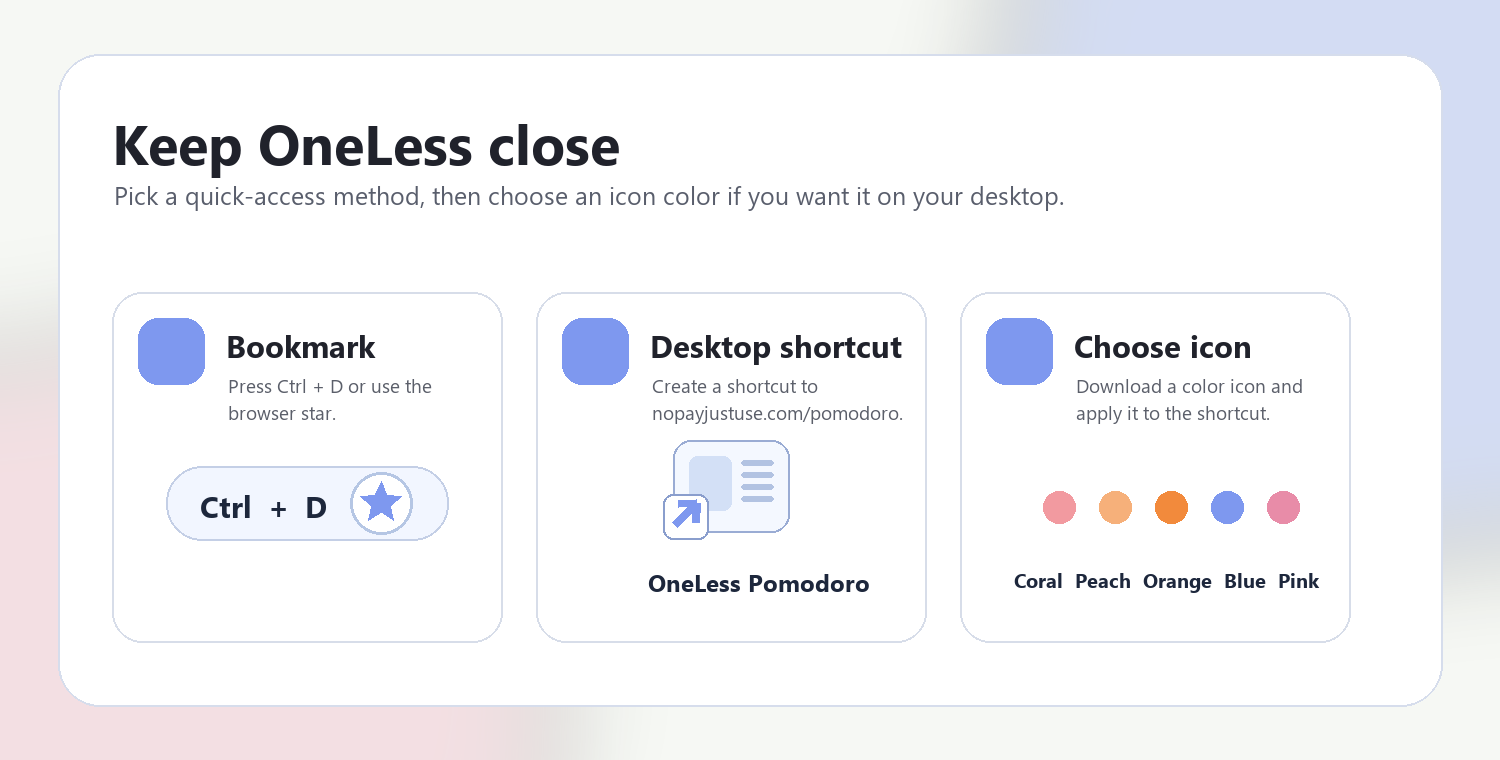
Press Ctrl + D on Windows or Command + D on Mac to bookmark this page. Your browser may also offer Create shortcut or Add to Home Screen. Shortcuts open the tool; they do not include your colors or images.
QUESTIONS, ANSWERED
No. The selected file is read and sampled in this browser. This workflow does not send it to a processing server or save it in browser storage.
Still JPEG, PNG and WebP. File contents are checked before decoding. SVG, GIF, HEIC and animated PNG/WebP are outside this release.
Color profiles, browser decoding, screen management, transparency and the exact sampled pixel can differ. Use a managed image editor when a profile-specific workflow is required.
No. This tool samples the image you selected, not other browser tabs or the whole desktop.
It samples the selected source pixel. Use the magnified view and arrow-key stepping for precision. Color Palette from Image is the separate tool for representative colors across a picture.
A fully transparent pixel has no visible foreground color. Choose a visible part of the image instead; the checkerboard is only a transparency preview.
Copy the sampled color in the format you need and paste it into a color or background-color declaration. Account for alpha if you are sampling a translucent edge.
REFERENCES
ANOTHER SMALL STEP
Pick a color directly from the details of your image.
Return to Image Color Picker ↑ Soft Coral
 Warm Peach
 Sunset Orange
 OneLess Blue
 Rose Pink