Contain, without cropping
Each picture fits inside an equal-sized tile while preserving its proportions. Empty space around a differently shaped image belongs to the chosen background. This tool does not crop or stretch the subject.

ONELESS · IMAGE LIGHT
Some pictures make more sense together. Combine Images arranges up to eight local images in a row, a column or an equal-cell grid. Set spacing and a background, inspect the complete composition, and download one PNG without uploading the originals.
Open Combine Images · This tool needs JavaScript for image processing. The complete guide is available below.
UNDERSTAND THE RESULT
Each picture fits inside an equal-sized tile while preserving its proportions. Empty space around a differently shaped image belongs to the chosen background. This tool does not crop or stretch the subject.
Output width includes the outer padding and gaps between columns. Tile shape determines each cell’s height; the number of rows then determines the canvas height. Small pictures can be enlarged to fit, with an upscaling notice.
The thumbnail strip shows left-to-right, then top-to-bottom placement. Use the arrow buttons to move images or remove a single image. Adding files appends them. Clear releases all images.
HOW TO USE IT
EVERYDAY USES
Place versions or examples beside each other with a consistent gap. The equal cells keep the layout predictable even when the source proportions differ.
Arrange a small group of photographs in a grid and export one file. Use Image Resizer or an image compressor afterward if your publishing system needs a smaller file.
YOUR IMAGE, YOUR DEVICE
Images are decoded and composed locally. The tool does not upload input files to a processing server or save them in browser storage. Leaving or clearing releases the working images.
Up to 8 images, 25 MB and 16 MP per file, with 32 MP total decoded pixels. JPEG, PNG and WebP only; animated files are rejected. The output is limited to 4096 pixels per side and 8 MP.
Export creates a new PNG from the decoded pixels. Original EXIF, camera details and embedded profiles are not copied. Browser color management can affect appearance. Keep originals for archival or color-managed work.
Read the site privacy policy for the surrounding website.
File sizes and limits use decimal units: 1 KB = 1,000 bytes and 1 MB = 1,000,000 bytes. Rounded labels are for readability; target checks compare exact bytes.
KEEP IT NEARBY
Bookmark this page with Ctrl + D on Windows or Command + D on a Mac. To make a desktop shortcut, use your browser’s shortcut or Add to Home Screen option when available. The shortcut opens the tool page; it does not include your image or settings.
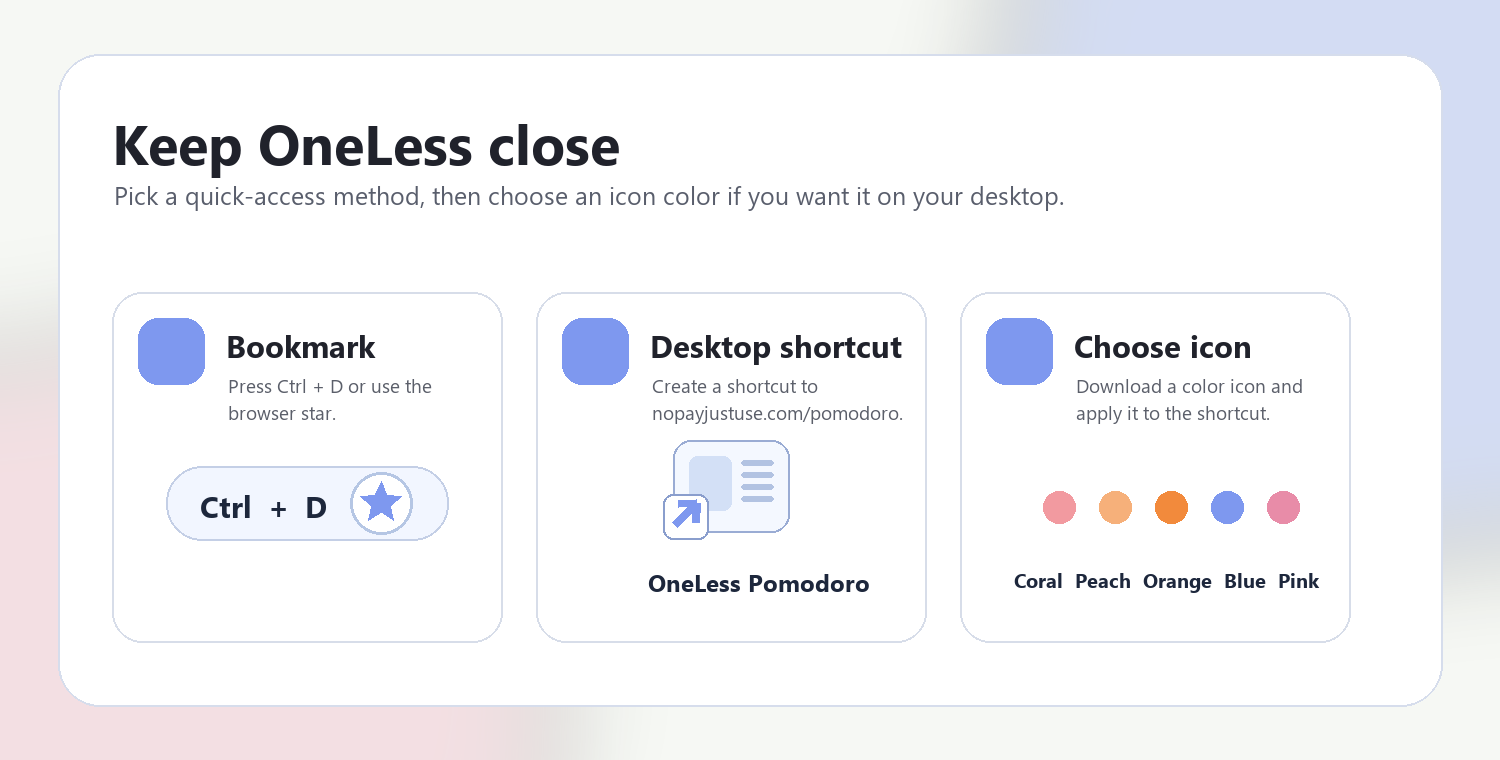
Download a PNG or ICO if your device lets you customize shortcut icons.
QUESTIONS, ANSWERED
Yes. Choose Transparent to retain transparent source areas, padding and gaps. PNG supports alpha.
Contain fitting preserves the entire image. A picture with a different shape from its tile leaves spare room, filled with the selected background.
Yes. Each thumbnail has earlier and later buttons as well as Remove. Grid placement proceeds left to right and then downward.
This tool exports PNG. Use PNG to JPG afterward when you need an opaque JPEG.
Canvas limits keep processing bounded. Reduce output width, use more grid columns or remove images to stay under 4096 pixels per side and 8 MP.
Choose Vertical for a column, Horizontal for a row, or Grid for multiple columns. Adjust the gap and outer padding to control the space between pictures and around the canvas.
Add up to eight still JPEG, PNG or WebP images. Each file is limited to 25 MB and 16 MP, with 32 MP total decoded pixels. Larger collections should be prepared in smaller groups.
ANOTHER SMALL TASK?
A few pictures. One composition, with room between.
Return to Combine Images ↑ Soft Coral
 Warm Peach
 Sunset Orange
 OneLess Blue
 Rose Pink